V-Fold Pop-Up
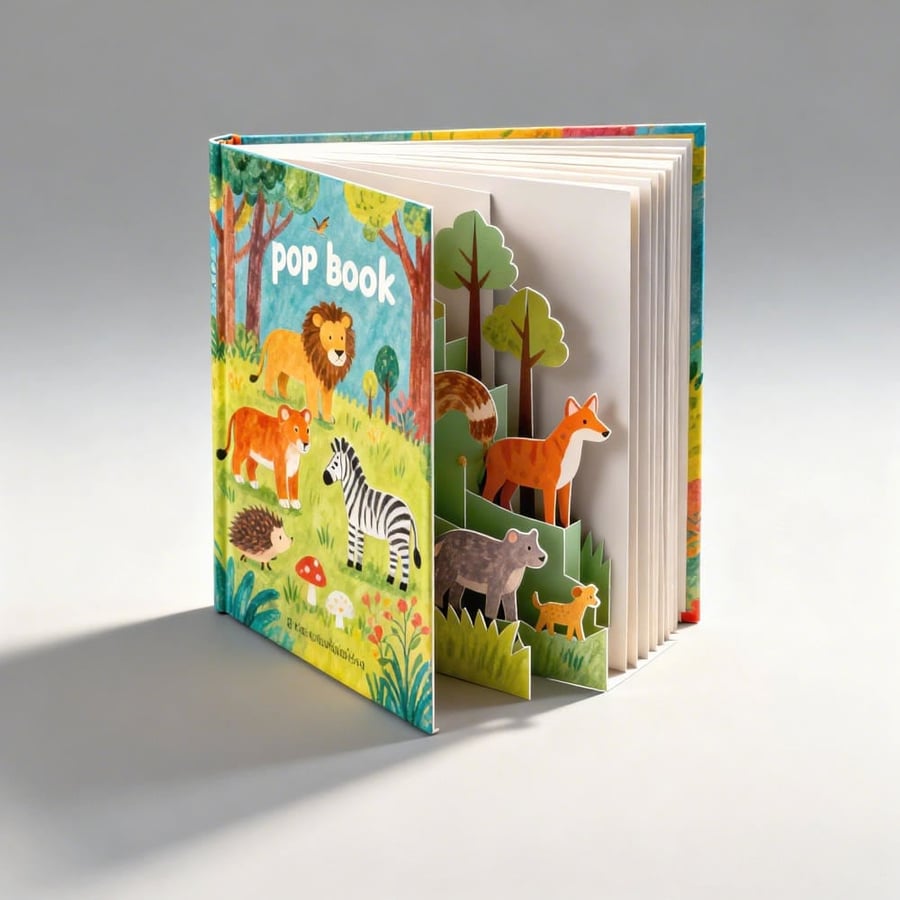
A simple V-shaped piece is glued across the gutter so the artwork lifts up when the spread opens. Ideal for characters, central objects, and bold main actions.

What are you looking for?
Pop-Up Book Printing Services
Precision pop-up book printing with professional paper engineering, durable board construction, and child-safe finishes for publishers, brands, and creators.
Pop-up books require a unique blend of paper engineering and precision manufacturing. At ChinaBestPrinting, we produce custom pop-up books with accurate die-cutting, vivid offset color, and reinforced board construction—ensuring every mechanism opens smoothly and every 3D scene stands firmly. Our production team follows strict engineering standards to maintain stability, safety, and consistent quality across the entire run.
We support a full range of structures—including V-folds, box folds, flaps, sliders, wheels, and layered scenes—using strong C1S boards, eco-friendly cardboards, and layflat or hardcover board book bindings. Whether your project is a children’s title, educational book, art piece, or promotional edition, we help you select the right materials and construction methods to achieve reliable performance and cost-efficient production.
Supporting children’s publishers, brands, educators, and independent creators worldwide.
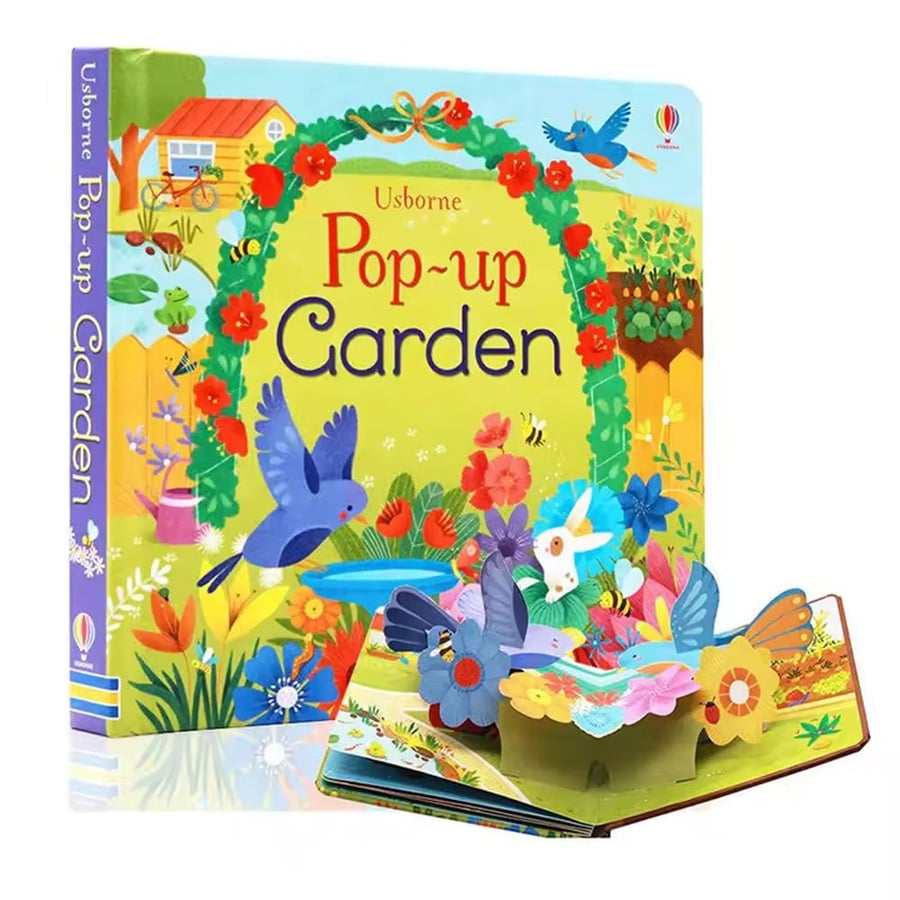
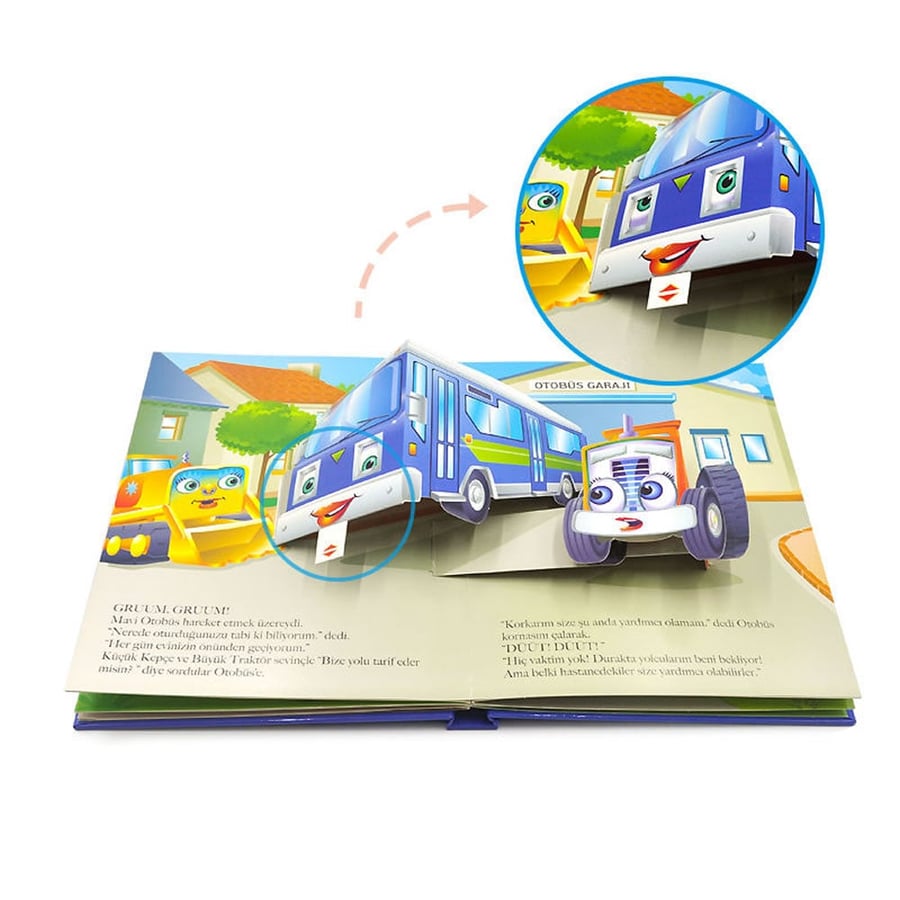
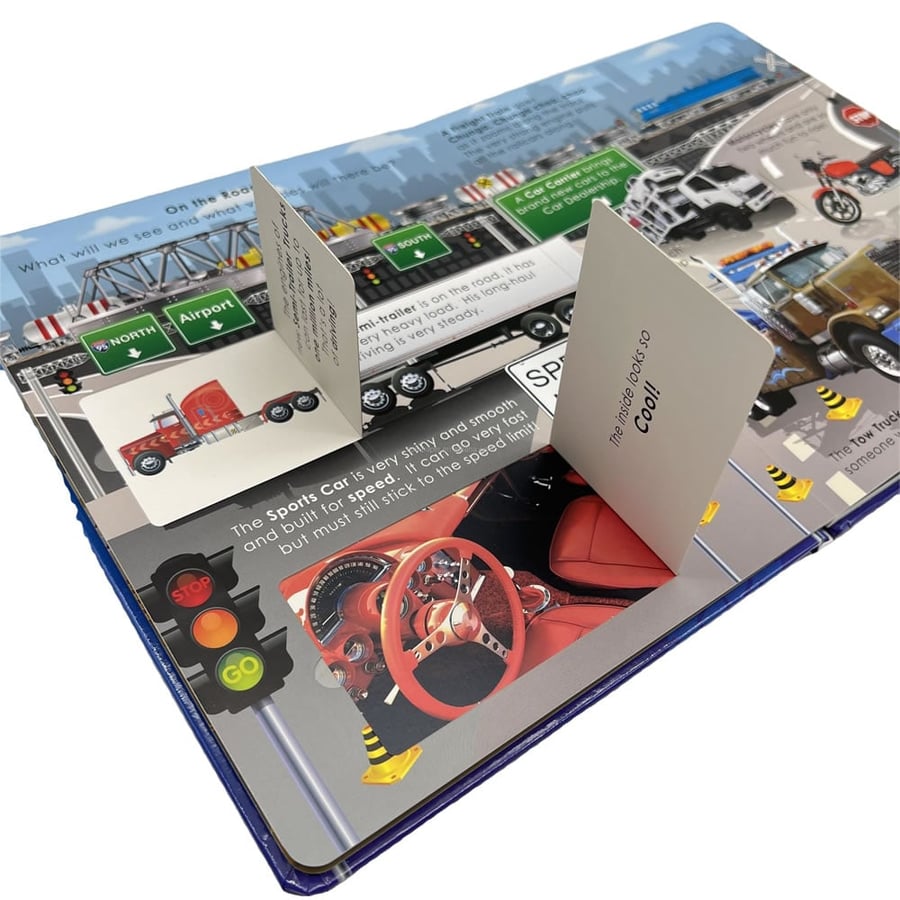
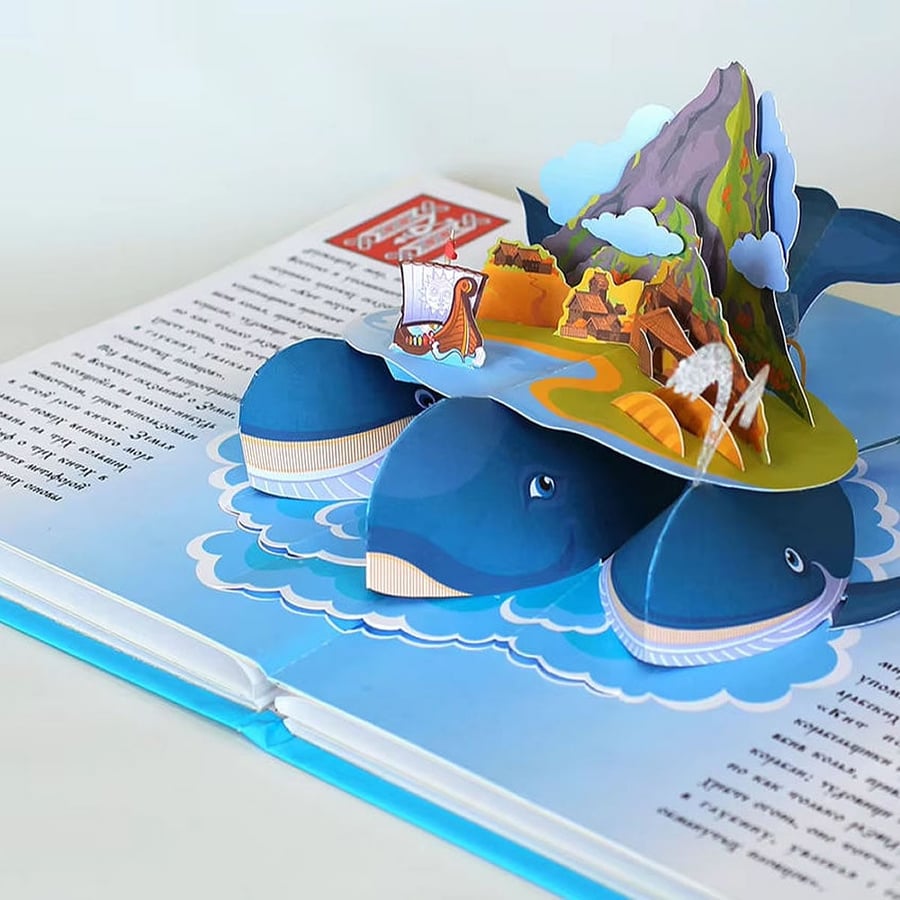
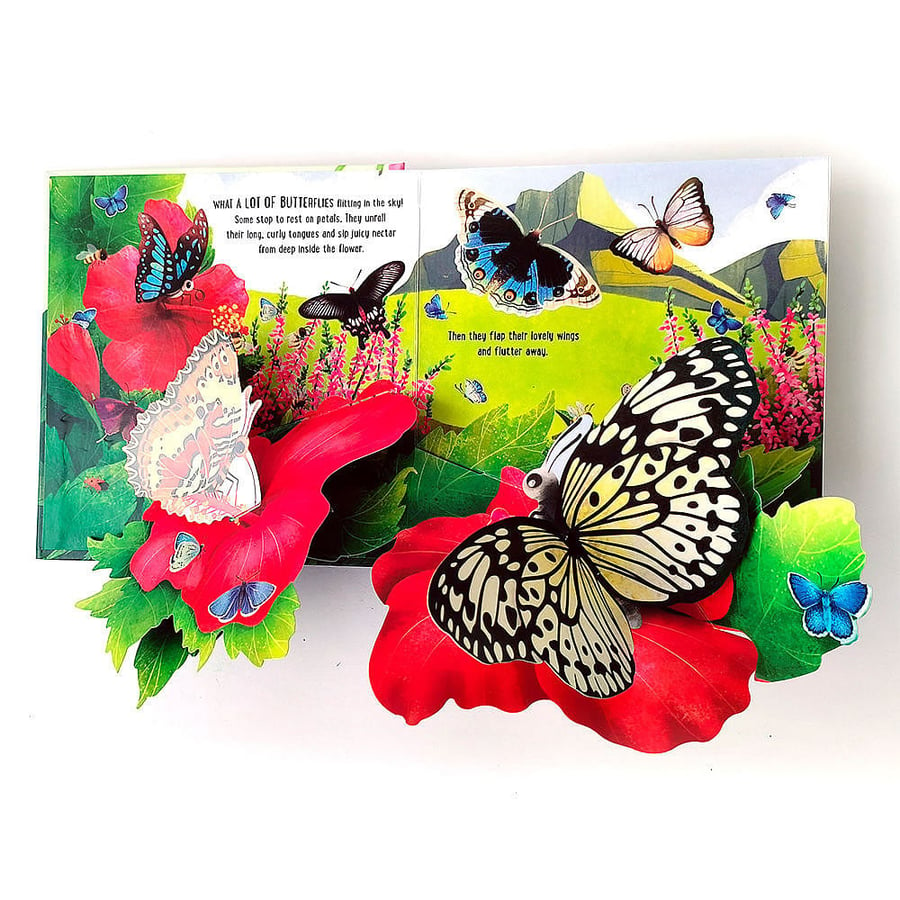
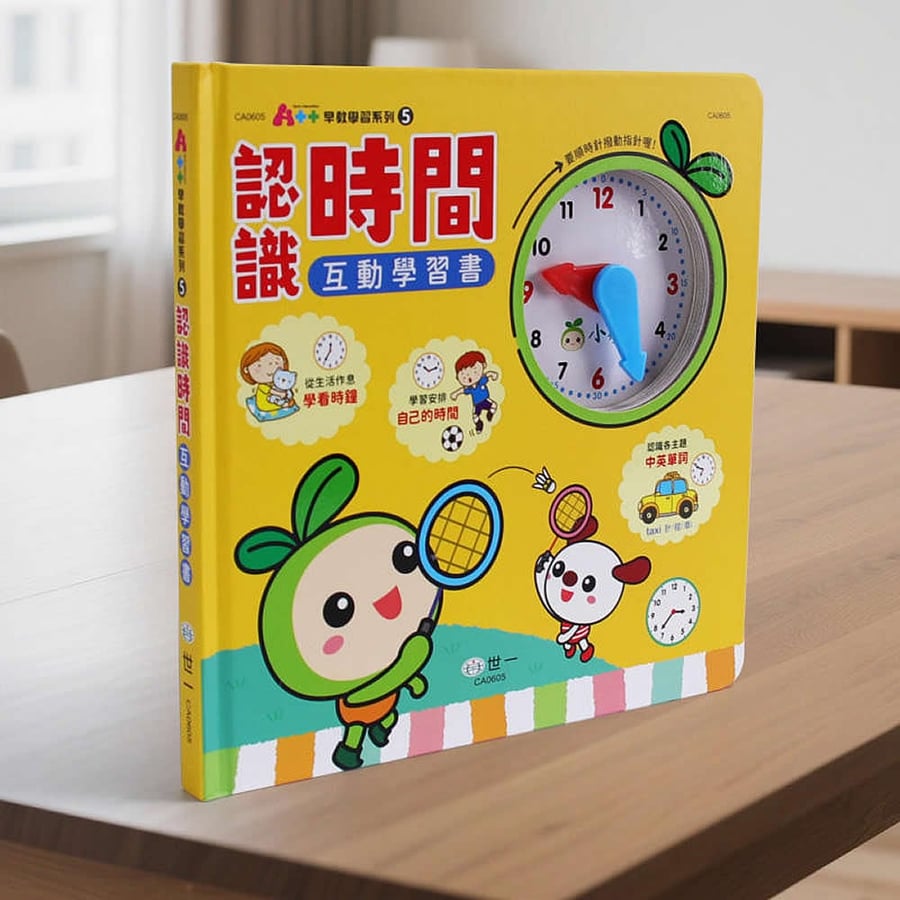
Pop-up books combine illustration, paper engineering, and three-dimensional construction to create an interactive reading experience far beyond traditional picture books.
V-folds, box folds, layers, flaps, sliders, and wheels lift scenes off the page for an engaging, interactive effect.
Multi-layered C1S boards provide the strength needed to support moving parts and repeated opening and closing.
Accurate scoring, cutting, and hand assembly ensure mechanisms function smoothly and align perfectly.
Ideal for children’s stories, STEM titles, art books, and premium promotions— turning each page into an immersive scene.
Pop-up effects are created by combining different folding and gluing techniques. Understanding the main structures will help you and your paper engineer design spreads that are both impressive and efficient to manufacture.
A simple V-shaped piece is glued across the gutter so the artwork lifts up when the spread opens. Ideal for characters, central objects, and bold main actions.
Parallel folds form stepped or box-like platforms that can support buildings, stages, and layered scenery while maintaining good strength.
Several layers unfold one behind another, creating depth and perspective. Often used for landscapes, cityscapes, or scenes with foreground characters.
Lift-the-flap elements reveal hidden images or text underneath, encouraging children to explore and interact with every spread.
When the reader pulls a tab, parts of the artwork move—characters jump, vehicles travel, or colors change—adding animation to the storytelling.
Rotating wheels, circular dials, and tunnel “peep show” structures provide extra layers of information and surprise in educational or collectible editions.
Pop-up books require precise engineering and durable board construction. We ensure stable mechanisms, reliable materials, and production-ready guidance for consistent, commercial-quality results.
We produce V-folds, box folds, layered scenes, flaps, sliders, and other mechanisms with accurate die-cutting and reliable operation.
Heavy C1S boards, strong adhesives, and reinforced construction ensure long-lasting performance for interactive books.
Tight CMYK control delivers clean artwork, stable colors, and high-quality reproduction across the entire print run.
We review files, recommend materials, optimize assembly, and manage efficient manufacturing and global shipping.
A pop-up book is a type of movable book that uses three-dimensional paper mechanisms—such as folds, layers, flaps, and pull-tabs—to create scenes that rise, move, or transform when the reader opens each spread. These interactive structures combine illustration, storytelling, and paper engineering to deliver an immersive, hands-on reading experience.
Unlike traditional picture books, pop-up books rely on precisely designed components that unfold in a controlled sequence. A single spread may include multiple mechanisms, each engineered to lift vertically, extend outward, or create layered dimensional depth.
Because many parts require hand assembly and durable board support, pop-up books involve more specialized production. This makes them especially popular for children’s stories, educational titles, art books, collectible editions, and premium promotional projects.
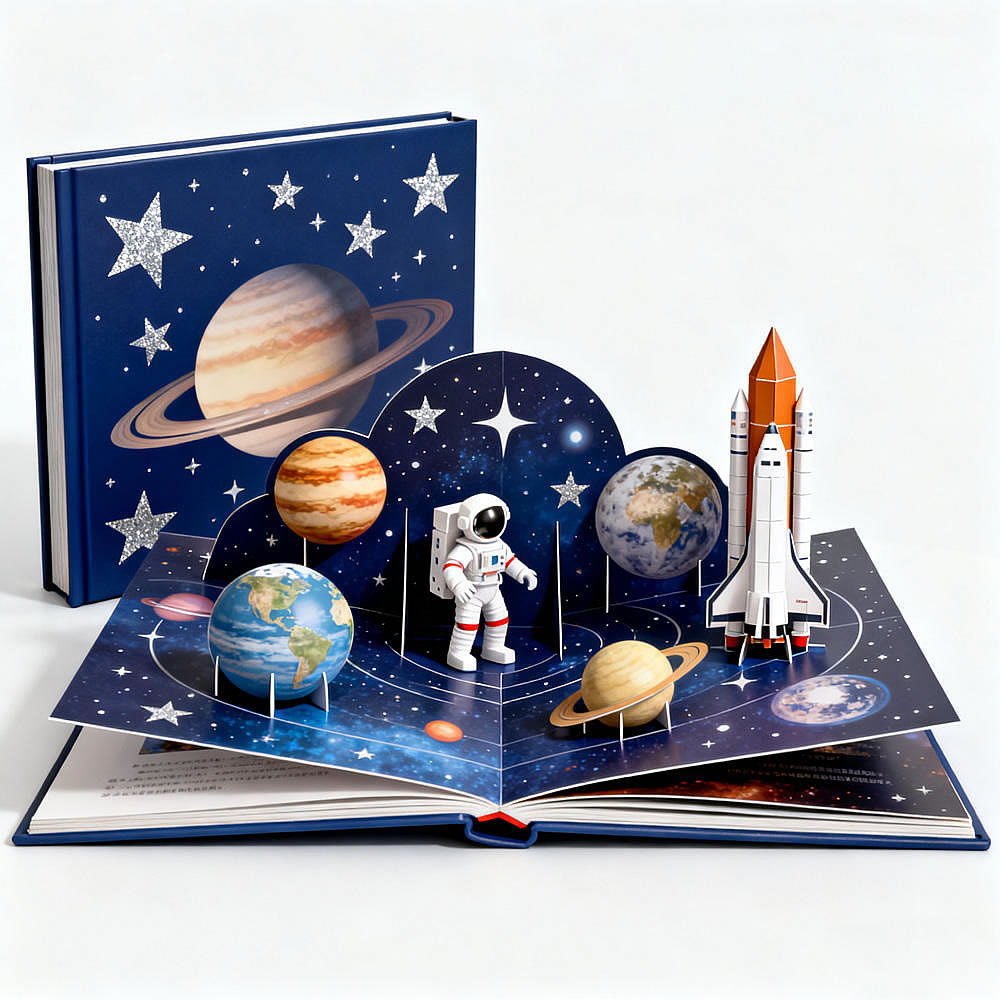
3D space-themed pop-up scene with planets, astronaut, and rocket.
Pop-up spreads must be strong enough to carry glued parts and moving pieces, while still folding smoothly. We typically use heavy coated boards and specialty cardboards designed for both print quality and structural performance.
C1S (Coated One Side) Mounted Cover
A common construction is two sheets of 250–350 gsm C1S laminated together. The coated side gives high color density for your cover artwork, while the combined thickness provides stiffness and durability.
C2S Art Paper Mounted on Gray Board
For a more substantial hardcover feel, we can wrap 157 gsm gloss or matte art paper around 2–3 mm gray board. This is ideal for premium children’s titles, art books, and collector editions.
Eco-Friendly CCNB (Clay Coated Newsback)
CCNB offers a white, printable face and a gray or natural back. It is a good choice for sustainable projects that still require a rigid, stable cover construction.
Interior pages are usually formed by gluing multiple sheets together to create a thick board that holds the mechanisms securely. We adjust the number of layers based on the design.
| Paper | GSM | PT | Approx. Thickness |
|---|---|---|---|
| C1S Board | 250 gsm | 14 pt | ≈ 0.35 mm |
| C1S Board | 300 gsm | 16 pt | ≈ 0.41 mm |
| C1S Board | 350 gsm | 20 pt | ≈ 0.50 mm |
Final board thickness will depend on the number of layers and adhesive used. We will recommend the most suitable construction based on your mechanisms and page count.
Pop-up books place extra stress on the spine and hinges. We choose binding styles that keep the book opening flat while supporting the weight and movement of each mechanism.
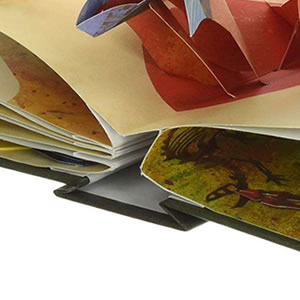
In this structure, every page is a thick board made from two or more sheets of C1S or CCNB glued together. The cover is simply another board page, so the whole book feels robust and child-friendly.
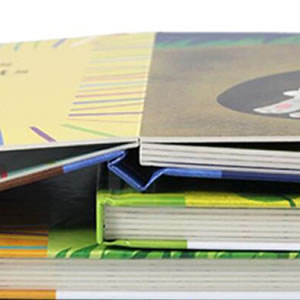
Here, the interior board pages are bound together and then cased into a separate hardcover. This adds extra protection and a more traditional bookshop look.
Essential Tips to Prepare Your Digital Files for High-Quality and Accurate Print Results
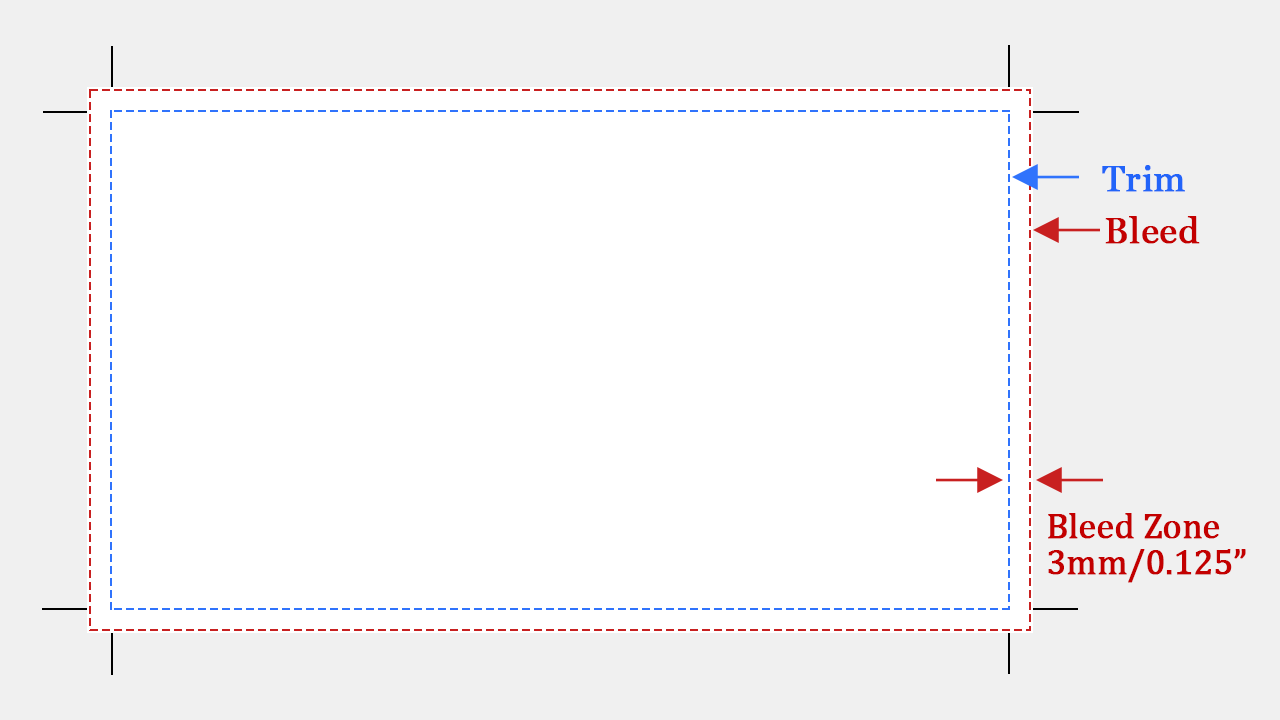
To prevent white edges after trimming, please include a bleed area of 0.125 inches (3.175 mm) on all sides of your design.
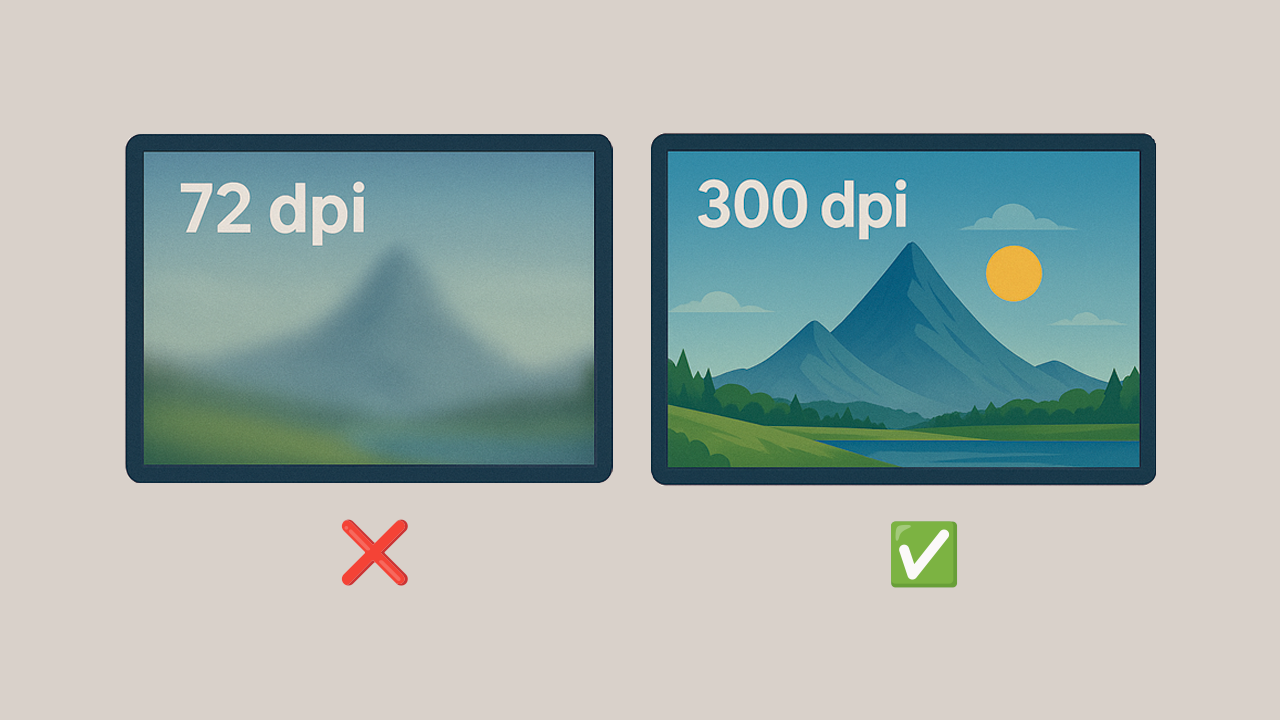
All images and graphics should be at 300 dpi for high-quality print results. Images at 72 dpi may appear blurry or pixelated.

Ensure your artwork is in CMYK (Cyan, Magenta, Yellow, Black) color mode to achieve accurate and consistent print colors.

We accept various formats including PDF and EPS, but print-ready PDF files are recommended for the best printing accuracy.
Additional Tip: If your artwork includes special finishing elements such as foil stamping, spot UV, embossing, or debossing, please provide separate design files or layers for each effect. This ensures that our production team can accurately apply and align these features during the printing and finishing process.
A Step-by-Step Guide to Requesting, Proofing, and Receiving Your Printed Books with Confidence

Provide your book size, page count, paper type, binding method, quantity, and special requirements. We'll offer a competitive quote within 24 hours.

Send your final PDF files with bleed and crop marks. Our prepress team will review all files to ensure they meet printing standards.

Pay a 50% deposit to confirm your order. We’ll schedule production and begin file preparation once payment is received.

We’ll provide a digital proof for layout and content confirmation. Physical samples are available upon request. Revisions are welcome.

After proof approval, we begin production under strict quality control to ensure the final product meets your expectations.

We’ll send final product photos or videos for your confirmation. Pay the remaining balance, and we’ll arrange fast and safe shipping.
Get quick answers to common questions about materials, engineering, page counts, pricing, and production requirements for custom pop-up books.
Most pop-up books use C1S (Coated One Side) board or thick cardstock (250–350gsm). These materials provide the strength needed for folding, gluing, and supporting 3D mechanisms. For eco-friendly options, CCNB or FSC-certified board is also available.
Pop-up books typically start from 6–8 spreads (12–16 pages), but there is no strict minimum. Each pop-up mechanism requires one full spread, so the total page count depends on how many scenes you plan to include.
Pop-up books commonly target:
Ages 2–5: simple mechanisms, thick board pages
Ages 4–8: more interactive flaps, sliders, wheels
Ages 8+ / collectors: complex engineered scenes, artistic editions
We adjust materials and engineering based on the intended age range.
Yes. Many authors self-publish pop-up books. You provide the artwork and mechanism design; we handle material recommendations, engineering review, printing, die-cutting, assembly, and delivery. We can also provide white dummy samples before mass production.
The typical MOQ for pop-up book printing is 500–1,000 copies, depending on complexity. Hand assembly makes very small runs more costly, but pilot runs are possible.
Yes. We can produce a white dummy (no printing) to test mechanisms, or a printed prototype to confirm artwork and structure before mass production.
We offer V-folds, box folds, layered scenes, flaps, windows, pull-tabs, sliders, wheels, dials, and tunnel “peep show” structures. Custom engineering is also available.
Yes. For children’s titles, we use rounded corners, non-toxic inks, reinforced joints, and strong adhesives. Board pages reduce tearing and increase durability.
Costs depend on:
Number of spreads
Complexity of mechanisms
Paper/board type
Quantity
Size and binding method
Pop-up books involve hand assembly, so pricing differs from standard books. A detailed quotation is provided after reviewing your project.
Most pop-up books use layflat board book binding or hardcover board book binding. These provide strength and allow spreads to open fully for proper mechanism performance.
Yes. We can create shaped covers, windows, or die-cut elements as long as they comply with production safety and stability requirements.
Yes. We provide slipcases, gift boxes, belly bands, shrink wrap, and custom retail packaging. Packaging can be designed to protect 3D elements during shipping.
We are specialized in customizing printing, packaging, book printing, paper gift boxes. Any color, shape, size and logo can be made as requested. MOQ is 100pcs for each model. Any interest with our products, you can here send us an inquiry for more details!